A basement can fill with water overnight, yet the biggest surprise may come weeks later: the homeowners insurance claim is denied. A failed sump pump and a burst supply pipe can leave similar-looking messes but trigger different policy rules. The source of the water matters more than the size of the puddle.
For most homeowners, standard insurance does not cover water backing up through a sewer or drain or overflowing from a sump pump. An optional water backup endorsement may fill that gap. But this protection is not the same as flood insurance, and it usually does not pay to replace a worn-out pump.
Why Standard Homeowners Insurance May Deny the Claim
Homeowners insurance commonly covers certain sudden, accidental water losses, such as a covered plumbing pipe breaking inside the house. Policies typically exclude water or sewage coming backward through drains and water discharged from a sump system. This exclusion may apply even when the failure was unexpected and the homeowner maintained the equipment.
Wet carpeting, ruined drywall and a damaged furnace are consequences, not explanations of the loss. An adjuster establishes the source and cause before deciding which coverage applies. A general statement that a policy covers water damage does not confirm sump pump failure insurance.
What Water Backup Coverage Actually Does
Water backup coverage is commonly sold as an optional endorsement, sometimes called a water damage endorsement. Depending on its wording, it may cover sudden damage caused by sewer or drain backup, or water overflowing or discharging from a sump, sump pump or related equipment.
Eligible expenses can include extracting water, drying materials, repairing finished walls and flooring, and replacing damaged belongings. Payment depends on the endorsement’s limit, deductible and exclusions. Some insurers distinguish sewer backup coverage from sump overflow protection, so confirm that both events appear in your contract.
Damage to the Basement Is Not Damage to the Pump
Imagine a thunderstorm knocks out electricity while a sump basin fills. The pump stops, water escapes and soaks a finished basement. If the policy includes applicable sump overflow protection, the resulting damage may be covered, subject to its terms.
Repairing the motor, replacing a battery or clearing a clogged discharge line may remain the homeowner’s responsibility. Wear, mechanical breakdown and poor maintenance are treated differently from sudden damage to insured property. Ask whether separate equipment breakdown coverage helps; never assume the backup endorsement pays for the pump itself.
Water Backup, Flooding and Plumbing Leaks Are Different Risks
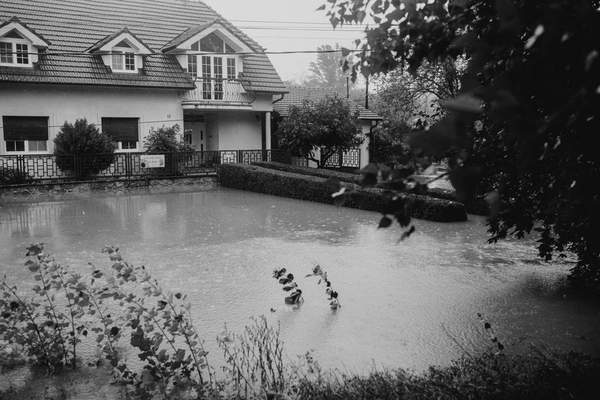
To understand basement flooding insurance, follow the water’s path. If sewage rises through a basement drain, a water backup endorsement may respond. If a river overflows and sends surface water through a window well, that is generally a flood exposure, not a sewer backup.
Most homeowners policies exclude flooding, and separate flood insurance may be needed. National Flood Insurance Program policies have special basement limitations and generally require a qualifying flood event. An isolated sump overflow without qualifying flooding is not automatically covered by an NFIP policy.
A sudden covered break in an interior supply line might instead fall under the underlying homeowners policy. Gradual seepage through foundation walls, recurring groundwater intrusion and neglected leaks can be excluded under other provisions. Heavy rain alone does not establish which policy applies.
How Much Water Backup Coverage Is Enough?
Water backup endorsements often have a separate limit lower than the home’s overall dwelling coverage. Available amounts and prices vary by insurer, state and policy. Choose a limit based on potential basement damage, not simply the price of a replacement pump.
For a finished basement, estimate removing contaminated materials, drying, replacing insulation and drywall, restoring flooring and repairing built-ins. Include furniture and electronics, but check whether contents are covered and whether special limits apply.
Suppose an eligible loss causes $18,000 in damage but your water backup limit is $10,000. The limit may leave a sizable bill unpaid, even before a deductible or exclusions. That is an illustration, not a payment promise. Ask how the insurer applies both the limit and deductible.
Also check restrictions on mold remediation, sewage cleanup, temporary accommodation and basement materials. Similar-sounding endorsements can offer different practical protection.
Questions Worth Asking Before a Storm
Ask your agent to confirm in writing: Does my endorsement cover sewer backup and sump overflow? Does a power-outage-related loss qualify? What limit and deductible apply? Are basement finishes, belongings and cleanup covered? Is mold treatment included, and are there special restrictions?
Test the pump as its manufacturer recommends, check the discharge route, consider battery backup and install a high-water alarm. Keep photographs and maintenance records. They may help explain a loss, although good maintenance never guarantees coverage.
Check when newly purchased protection takes effect. Buying an endorsement after damage has occurred will not retroactively cover that event.
What to Do When the Pump Has Already Failed
Put safety first. Do not enter standing water where electrical wiring, outlets or appliances may be energized. Seek professional help where needed, and avoid contact with sewage.
Notify the insurer promptly. Photograph the water line, sump basin, affected rooms and damaged items when safe. Record when the pump stopped, whether electricity failed and whether water entered from outdoors. Keep receipts for emergency mitigation and follow the insurer’s cleanup guidance.
Prevent additional damage where safely possible, but document belongings before disposal. If the claim is denied, request the policy provision and reason in writing. Compare the explanation against your endorsement and provide evidence of the actual water source.
Frequently Asked Questions
Does homeowners insurance cover sump pump failure automatically?
Usually not when the loss involves water overflowing from a sump system. Many standard policies exclude that damage. An optional endorsement may help, subject to its specific terms.
Is sewer backup coverage the same as flood insurance?
No. Backup coverage generally concerns water through drains or sump equipment. Flood insurance addresses qualifying external flooding and follows different contract rules.
Will insurance pay for a replacement sump pump?
Not necessarily. Backup coverage usually addresses resulting insured damage, not normal wear or the failed equipment. Ask about separate equipment protection.
Can I add water backup coverage after a basement flood?
You can ask about future protection, but new coverage generally cannot pay for damage that occurred before its effective date.
The Coverage Gap Worth Closing
A sump pump protects the basement, but it does not create insurance coverage when it fails. Review your policy’s water exclusion, confirm whether the endorsement includes sump overflow, and set a limit based on realistic repair costs. Consider separate flood protection where appropriate. Knowing which policy handles each water source is far better than discovering the difference after cleanup begins.