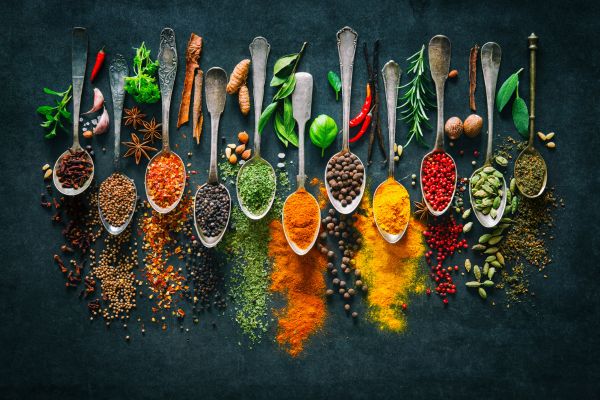
Spices can feel a little mysterious when you are new to cooking. They sit in small jars, often with strong names and stronger smells, promising flavor but not always explaining how to use them. A pinch too little and the food tastes flat. A spoonful too much and suddenly the whole dish feels taken over. It is no surprise many beginner cooks stick to salt, pepper, and maybe a little chili powder because everything else seems uncertain.
But learning spices does not have to be intimidating. In fact, once you understand a few basics, spices become one of the easiest ways to make everyday food more interesting. A plain pot of lentils can become warm and earthy with cumin. Roasted potatoes feel brighter with paprika and garlic. Rice can turn fragrant with cinnamon, cardamom, or bay leaf. Even a simple fried egg can taste completely different with black pepper, chili flakes, or turmeric.
This guide to Spices for Beginners is about building confidence slowly. You do not need a crowded spice cabinet or complicated recipes. You only need to know what a few common spices taste like, how they behave in cooking, and how to combine them without losing the natural flavor of the food.
Why Spices Matter in Everyday Cooking
Spices do more than add heat. They bring warmth, depth, sweetness, bitterness, smokiness, color, and aroma. Some spices make food feel cozy and rich, while others make it bright and lively. They can turn basic ingredients into meals that feel thoughtful and complete.
Think about boiled chickpeas with no seasoning. They may be healthy, but they are not especially exciting. Add cumin, coriander, paprika, garlic, and lemon, and suddenly the dish has personality. The ingredients may be simple, but the flavor feels layered.
Spices also help you cook with less dependence on heavy sauces or too much salt. Salt is important, of course, but it cannot do everything. Spices create character. They help a dish taste like something specific rather than just “food with seasoning.”
For beginner cooks, this is one of the most useful skills to learn. Once you understand spices, even low-cost ingredients like rice, beans, potatoes, eggs, vegetables, and chicken can become far more enjoyable.
Start with a Small, Useful Spice Collection
A common beginner mistake is buying too many spices at once. It feels exciting at first, but most of them end up sitting unused until they lose their aroma. A better approach is to start with a small group of spices you can use often.
Cumin is a good first spice because it works in so many dishes. It has an earthy, slightly nutty flavor and is common in South Asian, Middle Eastern, Mexican, and North African cooking. Coriander powder is softer and a little citrusy, which makes it a useful partner for cumin. Paprika adds color and gentle sweetness, while smoked paprika brings a deeper, campfire-like note.
Turmeric is another useful spice, especially for rice, lentils, vegetables, and soups. It has a warm, slightly bitter taste and gives food a golden color. Cinnamon is usually associated with sweet dishes, but it also works beautifully in savory stews, rice dishes, and slow-cooked meals. Black pepper, chili flakes, cloves, cardamom, bay leaves, and dried herbs can gradually join the collection as your confidence grows.
The goal is not to own every spice. It is to know the ones you have well enough to use them without hesitation.
Learn the Difference Between Whole and Ground Spices
Spices often come in two forms: whole and ground. Both are useful, but they behave differently.
Whole spices, such as cumin seeds, cardamom pods, cloves, cinnamon sticks, mustard seeds, and bay leaves, release flavor more slowly. They are often added at the beginning of cooking, especially to hot oil, broth, or rice. When gently heated, they become fragrant and create a deeper base flavor.
Ground spices are more direct. They blend quickly into food and release flavor faster. Cumin powder, turmeric, paprika, coriander powder, and chili powder are common examples. Because they are already finely ground, they can burn more easily if added to very hot oil without moisture. That is why many cooks add ground spices after onions, tomatoes, or another wet ingredient has softened.
For beginners, ground spices are usually easier to manage, but whole spices are worth exploring. A little cumin seed sizzling in oil before adding vegetables can make a dish smell wonderful before it even reaches the table.
Use Heat to Wake Up the Flavor
Spices are more flavorful when treated properly. Many spices contain natural oils that become more aromatic when warmed. This is why recipes often begin by cooking spices briefly in oil, butter, or ghee.
The process does not need to be dramatic. A small amount of oil in a pan, medium heat, and a short cooking time can bring spices to life. Whole spices may crackle or release aroma. Ground spices may darken slightly and become fragrant. The key is not to walk away. Spices can go from beautifully toasted to bitter and burnt very quickly.
If you are nervous, lower the heat and keep a splash of water, tomato, or broth nearby. Once the spices smell warm and fragrant, add the next ingredient. This stops the cooking and helps the flavor spread through the dish.
This one technique can change your cooking. It is the difference between spices that sit on top of food and spices that become part of the dish.
Understand Flavor Families
One simple way to learn spices is to think in flavor families. Some spices are warm and sweet, some are earthy, some are sharp, and some bring heat.
Warm spices include cinnamon, cloves, nutmeg, cardamom, and allspice. These can make dishes feel cozy and aromatic. They are used in desserts, but also in savory food when added carefully. Earthy spices include cumin, turmeric, and coriander. These are especially useful for lentils, beans, rice, soups, roasted vegetables, and curries.
Hot spices include chili powder, cayenne, crushed red pepper, and black pepper. They do not all taste the same. Chili powder may have depth and warmth, cayenne is sharper, and black pepper has a dry heat that works almost everywhere. Sweet or smoky spices, such as paprika and smoked paprika, add color and roundness without always adding much heat.
When you understand these families, combining spices becomes easier. You can build a dish with something earthy, something warm, something bright, and a little heat, instead of throwing random powders into the pan and hoping for the best.
Begin with Simple Spice Pairings
Beginners do not need complicated spice blends. A few reliable pairings can teach you how flavors work together.
Cumin and coriander are a classic combination. Cumin gives depth, while coriander softens and brightens the flavor. They work well in lentils, chickpeas, roasted vegetables, soups, and stews. Paprika and garlic create a friendly, savory base for potatoes, chicken, beans, and roasted cauliflower. Cinnamon and cardamom bring fragrance to rice, tea, porridge, and some desserts.
Turmeric and black pepper are often used together in savory cooking because the pepper sharpens the warmth of turmeric. Chili flakes and oregano can make pasta sauces, roasted vegetables, and eggs feel more lively. Cumin and smoked paprika work well when you want a deeper, slightly smoky flavor.
Try using two spices at a time before moving to five or six. It is easier to understand what each one contributes when the mixture is simple.
Add Spices Gradually
Spices are easier to increase than remove. This is especially true for strong spices like cloves, cinnamon, cayenne, cardamom, and nutmeg. A small amount can make a dish interesting, but too much can overpower everything.
For most beginner cooking, start with a modest amount. In a family-sized dish, half a teaspoon to one teaspoon of a common ground spice is often a safe place to begin, depending on the recipe and your taste. For stronger spices, use much less. Cloves, for example, are powerful. Nutmeg can dominate quickly. Cayenne can make food hotter than expected.
Taste as you cook. If the dish feels flat, it may need more salt, acidity, or cooking time, not only more spice. Lemon juice, vinegar, tomatoes, or yogurt can brighten spices and make a dish feel balanced. Good seasoning is not just about adding more. It is about adjusting gently until the flavors feel connected.
Store Spices the Right Way
Spices do not last forever. They may not spoil in the same way fresh food does, but they lose aroma and strength over time. A jar of cumin powder that has been open for three years will not taste like fresh cumin.
Keep spices in a cool, dry place away from direct sunlight and steam. The cabinet above the stove may seem convenient, but heat and moisture can weaken spices faster. Always close lids tightly, and avoid shaking spice jars directly over a steaming pot. Steam can enter the jar and cause clumping.
Whole spices usually stay fresh longer than ground spices. Ground spices have more surface area exposed to air, so they fade more quickly. If you cook often, buying small amounts more regularly is better than buying large jars that sit unused.
A simple test is to smell the spice. If it has almost no aroma, it will not add much flavor.
Use Spices to Improve Basic Meals
Once you become comfortable, spices can upgrade the simplest foods.
Scrambled eggs can taste richer with black pepper, paprika, or cumin. Rice can become fragrant with bay leaf, cinnamon, cloves, or cardamom. Roasted potatoes are excellent with paprika, garlic, black pepper, and a little chili. Lentils become deeper with cumin, coriander, turmeric, and tomatoes.
Vegetables are especially good for practice. Carrots can handle cumin and cinnamon. Cauliflower works with turmeric, paprika, and coriander. Chickpeas love cumin, chili, and smoked paprika. Mushrooms taste better with black pepper, garlic, thyme, or paprika.
The more you experiment, the more you will notice patterns. Certain spices naturally belong with certain ingredients, not because there are strict rules, but because generations of cooking have shown what tastes good together.
Balance Spices with Fat, Acid, and Salt
Spices are important, but they do not work alone. Fat carries flavor. Salt sharpens it. Acid brightens it. Without these elements, even a well-spiced dish can feel unfinished.
A curry with spices but no salt may taste dull. Beans with cumin and paprika may still need lemon juice. Roasted vegetables may need oil to help the spices coat evenly and bloom in the oven. Soup may taste better after a splash of vinegar or a squeeze of lime at the end.
This is where cooking becomes more intuitive. If a dish tastes heavy, add brightness. If it tastes sharp, add richness. If it tastes bland, check salt before adding more spice. If the spice tastes raw, let the dish cook a little longer.
Learning this balance will improve your cooking more than memorizing dozens of spice names.
Give Yourself Permission to Experiment
Spices reward curiosity. Some attempts will be wonderful. Others may taste a little strange, and that is fine. Every cook has made food that was too spicy, too bitter, too bland, or too confused. That is part of learning.
Start with familiar dishes and change one thing at a time. Add smoked paprika to roasted potatoes. Put cumin in soup. Try cinnamon in savory rice. Sprinkle chili flakes over pasta. Add cardamom to tea. Notice what happens.
It helps to keep the first experiments small. Test spices on one portion instead of the whole pot. Mix a little seasoning with oil and brush it on a few vegetables before roasting. Add a pinch to a spoonful of sauce before seasoning the entire pan. Small risks make learning easier.
With time, spices stop feeling like a guessing game. You begin to smell them and know where they might belong.
Conclusion: Building Confidence One Pinch at a Time
Spices can transform cooking, but they do not need to make it complicated. For anyone exploring Spices for Beginners, the best approach is simple: start small, use fresh spices, learn a few dependable combinations, and pay attention to how flavor changes with heat, salt, fat, and acidity.
A good spice cabinet is not measured by how many jars it holds. It is measured by how confidently you can use what is inside. Cumin, coriander, paprika, turmeric, cinnamon, black pepper, and chili can already take you a long way. Add others slowly as your cooking grows.
The more you cook with spices, the more personal your food becomes. A pinch here, a little warmth there, a brighter finish at the end — these small choices shape the character of a dish. And that is the real beauty of spices. They help ordinary ingredients speak with more color, more depth, and a little more soul.