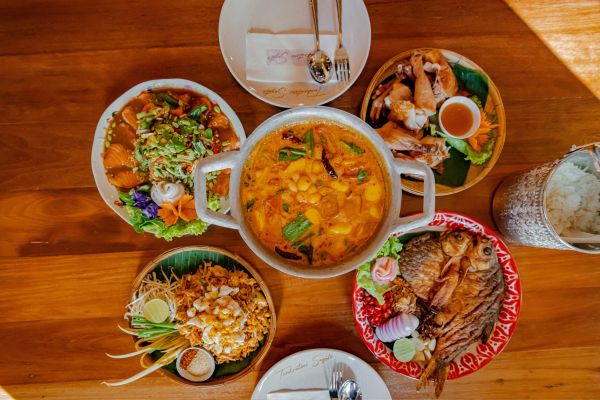
Travelers often remember meals more vividly than monuments. A market breakfast eaten standing beside strangers. A family recipe served in a quiet home. Street food wrapped in paper on a rainy evening. The scent of spices drifting through a narrow lane before you even know what is cooking.
Food has a remarkable ability to introduce a place quickly. It carries history, migration, climate, trade, celebration, hardship, and identity in ways that guidebooks rarely can. That is why Cultural Food Experiences are among the richest parts of travel.
Eating while traveling is not only about trying dishes with unfamiliar names. It is about understanding why people eat what they eat, how they gather, what ingredients matter locally, and what hospitality looks like in different corners of the world.
Sometimes one meal explains a culture more gently than any museum ever could.
Why Food Reveals So Much
Every cuisine is shaped by circumstance. Geography decides what grows. Weather influences preservation. Religion shapes ingredients and rituals. Trade routes introduce flavors. Family traditions preserve techniques long after empires disappear.
When travelers engage thoughtfully with food, they learn more than taste preferences. They learn patterns of life.
Rice may represent abundance. Bread may symbolize welcome. Shared platters may express community. Tea may be ceremony rather than beverage.
Cultural Food Experiences matter because meals often carry meanings invisible at first glance.
Street Food as Daily Culture
Street food is one of the most immediate ways to understand a place. It is fast, local, practical, and often deeply tied to routine life.
In Thailand, sizzling noodle stalls and fragrant curries reveal the country’s balance of sweet, sour, salty, and spicy elements. In Mexico, tacos assembled fresh on busy streets can say more about local rhythm than many polished restaurants. In India, chaat stalls turn texture and spice into an art form.
Street food also shows what people eat when they are not performing culture for visitors.
That honesty has value.
Shared Tables and Communal Eating
Many societies place strong emphasis on eating together rather than individually.
In parts of the Middle East, large platters of rice, meat, bread, and mezze encourage gathering and generosity. In Ethiopia, meals built around injera often become a communal act where food is shared from one spread. In South Korea, the table itself can feel alive with side dishes meant for everyone.
These styles of eating remind travelers that meals can be social architecture, not just nutrition.
Markets as Living Kitchens
Local markets often provide some of the most memorable Cultural Food Experiences because they show ingredients before they become dishes.
Fish laid out on ice near the sea. Pyramids of spices in warm air. Fresh herbs stacked beside citrus. Seasonal mushrooms. Handmade cheeses. Vendors explaining fruit you have never seen.
Markets reveal what is fresh, what is valued, and what the season means.
They also reveal pace. Some markets feel theatrical and loud. Others move with calm precision.
Even without buying much, walking through one can teach a lot.
Food and Ceremony
Certain meals are inseparable from celebration.
Holiday breads, wedding sweets, harvest feasts, fasting-break meals, New Year dumplings, and ceremonial teas all show how food marks time. What people cook for ordinary Tuesdays may differ entirely from what they prepare for sacred days.
In Japan, seasonal presentation often reflects sensitivity to time of year. In Turkey, tea and hospitality may become part of social ritual. In Italy, family gatherings around long meals often express continuity as much as appetite.
Travelers who notice occasion-based food begin seeing culture more deeply.
Home Cooking Versus Restaurant Cooking
Restaurants are valuable, but home cooking often tells a different story.
Many cuisines famous abroad are represented by only a few dishes, while everyday domestic meals remain less visible. A grandmother’s soup, a weekday lentil dish, homemade pickles, or rice prepared the family way may reveal more authenticity than a tourist menu ever could.
Some of the best Cultural Food Experiences happen when travelers are welcomed into homes, cooking classes, or intimate guesthouse meals.
Food becomes conversation there.
Learning Through Cooking Classes
Cooking classes can be far more than entertainment when approached thoughtfully.
Shopping for ingredients with a local host, learning how spices are balanced, understanding why dough is kneaded a certain way, or hearing family stories while chopping vegetables creates context that passive dining cannot.
You leave with skills, yes, but also perspective.
A recipe is often a memory system disguised as instructions.
Regional Differences Within One Country
Travelers sometimes talk about national cuisines as if they are singular. They rarely are.
Northern and southern regions may cook entirely differently. Coastal food diverges from mountain food. Urban migration reshapes traditions. Minority communities preserve distinct styles.
In China, regional diversity is vast. In Spain, Basque, Andalusian, Catalan, and Galician traditions differ meaningfully. In India, culinary variety can feel endless.
Understanding this prevents simplistic travel thinking.
Respectful Eating as a Traveler
Curiosity should be paired with humility.
Learn basic dining customs when possible. Understand tipping norms. Ask before photographing people preparing food. Be polite about ingredients unfamiliar to you. Declining something respectfully is better than mocking it.
Not every traveler must eat everything. But every traveler can be respectful.
Cultural Food Experiences become richer when people approach them with openness rather than performance.
Food Memory and Emotion
Certain travel meals remain vivid for years. Not because they were expensive, but because of context.
Hot soup after a cold train ride. Bread shared by a host. Fruit eaten beside the ocean. Tea during a long conversation. Late-night noodles after getting lost and then found again.
Taste is tied strongly to memory, and memory is tied to feeling.
This is why travel food stories endure.
The Risk of Chasing Only Famous Dishes
Social media often narrows curiosity into checklists: eat the famous pastry, film the viral sandwich, queue for the trendy dessert.
There is nothing wrong with popular foods, but obsession with fame can make travelers miss quieter experiences nearby.
Sometimes the humble café with regular customers teaches more than the globally reviewed hotspot.
Fame and meaning are not always the same thing.
Sustainable and Ethical Awareness
Food travel also invites responsibility.
Supporting local businesses, respecting seasonal ingredients, reducing waste, and being mindful of communities affected by overtourism can make food exploration more thoughtful.
Enjoyment and awareness can coexist.
Conclusion
Cultural Food Experiences offer one of the most human ways to understand the world. Through markets, street stalls, family tables, ceremonies, and regional traditions, food reveals history, geography, identity, and everyday life with remarkable honesty. The most memorable meals are often not the fanciest ones, but the ones connected to people and place. When travelers eat with curiosity and respect, they gain more than flavors—they gain stories, context, and moments of genuine connection. In the end, food is never only food. It is culture you can taste.