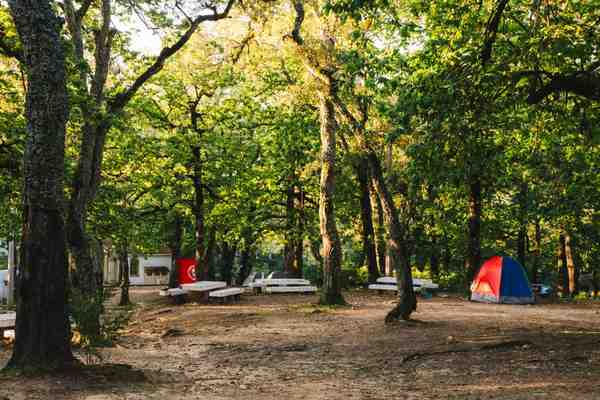
For a first camping trip, the best campground is rarely the wildest one. A better choice is somewhere that feels outdoorsy without making every basic task difficult: clear roads, reservable sites, drinking water, reliable restrooms, and attractions close enough that you are not constantly packing the car. The beginner camping spots below balance scenery with practical comfort, making them especially good for tent and car campers.
What Makes a Campground Beginner-Friendly?
Easy campgrounds remove unnecessary friction. Look for a defined parking pad, picnic table, potable water, toilets, and straightforward road access. A nearby store, visitor center, shuttle, or staffed ranger station is a bonus. For camping for first timers, reservable sites are often less stressful than driving several hours and hoping a first-come site is available.
Before leaving home, confirm current operating dates, fire restrictions, weather, and reservation rules because seasonal services can change.
Watchman Campground, Zion National Park, Utah
Watchman is a strong choice for beginners who want dramatic scenery without feeling isolated. It sits beside the Zion Canyon Visitor Center and near the South Entrance, making arrival and orientation simple. The campground has potable water, year-round flush toilets, staff on site, picnic tables, and fire rings. Showers are not available inside the campground.
All campsites require reservations, and the campground often fills during busy periods. Once a site is booked, however, arrival day is predictable. Summer heat can be intense, so spring and fall are often more comfortable for tent camping.
Mather Campground, Grand Canyon National Park, Arizona
Mather is an easy first-trip base because it is located in Grand Canyon Village rather than far from developed services. Sites include parking, a picnic table, and a campfire ring with cooking grate. Flush toilets and drinking water are available throughout the campground, while hot showers and laundry are available year-round.
The nearby village, shuttle system, and general store make this one of the easiest campgrounds for travelers still learning how much food, water, fuel, and clothing they need. Nights can be much colder than daytime temperatures suggest, so pack layers.
Manzanita Lake Campground, Lassen Volcanic National Park, California
Manzanita Lake combines forest camping with useful beginner amenities. In season, campers have potable water, restrooms, a camper store, laundry, and hot coin-operated showers. The lake area is easy to reach from the park’s northwest entrance, and the setting works well for families who prefer short walks and lake views to an ambitious hiking schedule.
Seasonal conditions matter. Services are reduced during dry-camping periods, and winter conditions close the campground for part of the year. For a first visit, choose dates when normal water and restroom services are operating.
Lodgepole Campground, Sequoia National Park, California
Lodgepole suits beginners who want a classic mountain-forest experience with services close by. The campground has seasonal potable water, flush toilets, food-storage lockers, and a camp store. Lodgepole Village also offers visitor services, a market, and seasonal shower and laundry facilities, while nearby trails reduce the need for constant driving.
Food storage deserves special attention in bear country. Secure food, scented toiletries, and other attractants as required rather than leaving them in or around the tent.
Blackwoods Campground, Acadia National Park, Maine
Blackwoods offers wooded sites, paved campground roads, flush toilets, seasonal potable water, picnic tables, and fire rings. Most sites suit tents, and the ocean is within roughly a 10-minute walk. During the main season, Acadia’s Island Explorer shuttle can also help campers reach popular destinations without moving the car for every outing.
There are no showers at the campground, so plan accordingly. For beginners comfortable with that tradeoff, Blackwoods offers a useful mix of coastal scenery and organized facilities.
Cades Cove Campground, Great Smoky Mountains National Park, Tennessee
Cades Cove is a good choice for campers who want wildlife viewing, mountain scenery, and established facilities. The campground is open year-round and provides potable water, flush toilets, trash collection, food-storage lockers, and a seasonal camp store. There are no showers or hookups.
The location feels immersed in the Smokies while still offering a structured campground environment. Food should be stored correctly, and wildlife should always be viewed from a safe distance.
Assateague State Park, Maryland
For beginners who would rather wake up near the Atlantic than in the mountains, Assateague offers a different first-camping experience. The park provides beach access and seasonal bathhouse facilities in developed areas, including toilets and rinse showers. The open coastal setting is beautiful, but wind, sand, and insects require extra preparation.
Use sturdy tent stakes, secure loose gear, and arrive well before sunset. A practical first-night plan is to pitch the tent while visibility is good, organize sleeping gear, then walk to the beach only after camp is fully set up.
How to Choose Your First Campground
Start with the trip you are most likely to enjoy, not the campground that looks most adventurous online. If hot showers matter, Mather or Manzanita Lake may be reassuring. If easy access to visitor services is the priority, Watchman or Lodgepole can reduce logistical stress. For coastal scenery, Blackwoods and Assateague offer very different experiences.
For a first overnight, staying within a few hours of home is often smarter than planning a huge expedition. Practice pitching your tent once before departure, bring a simple dinner, and keep the itinerary light. Useful follow-up topics include camping checklist for beginners, how to choose a tent, and car camping essentials.
Frequently Asked Questions
What is the best type of campground for a beginner?
A developed campground with reservable sites, potable water, toilets, marked roads, and nearby staff or visitor services is usually the easiest starting point.
Do beginners need a campground with showers?
No. For a one- or two-night trip, many people are comfortable without showers. If children are coming or you prefer more comfort, choosing a campground with showers can make the trip easier.
How many nights should a first camping trip last?
One or two nights works well for many first-time campers. It is long enough to learn your setup without turning poor weather or forgotten gear into a long problem.
Should first-time campers reserve in advance?
Usually, yes. Popular family campgrounds and national-park sites can fill well ahead of arrival. A reservation removes a major source of stress and lets you focus on packing and weather.
A Comfortable First Trip Builds Confidence
Your first camping trip does not need to prove how rugged you are. A well-chosen campground gives you time to learn the basics, sleep outdoors, cook a simple meal, and enjoy the landscape without fighting avoidable problems. Pick the facilities that matter to you, check current conditions before departure, and keep the schedule simple. A successful first weekend is usually the best motivation to plan the second one.