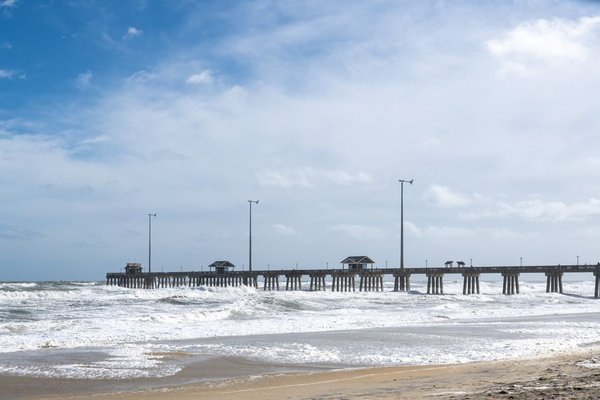
Beach days are only half the story in the Outer Banks. If you also hope to see the free-roaming horses north of Corolla, timing your trip calls for more than checking swimming temperatures. A sunny beach week is not automatically the best wildlife-viewing week.
For most travelers, the best time to visit the Outer Banks, North Carolina, is May to early June or September to early October. These shoulder seasons offer a pleasing mix of manageable crowds, comfortable conditions and outdoor activities. Summer remains the strongest choice for reliably warm-water beach days, while wild-horse sightings are possible throughout the year.
Which season is best for your Outer Banks trip?
Spring: March through May
Spring brings quieter roads, blooming vegetation and increasingly pleasant afternoons. March can still be chilly and windy, especially near the water, but May is often comfortable for walking, cycling and exploring lighthouses. The Atlantic typically remains cool for swimming. Spring is a practical choice for a Corolla horse tour if you prefer a less crowded visit and bring a layer for an open-air vehicle.
Summer: June through August
Summer delivers the classic beach vacation: hot days, busy restaurants, family activities and warmer ocean water. July and August are popular, so accommodations can cost more and traffic toward Corolla can be slow on arrival days. Book lodging and guided excursions in advance. Horses sometimes seek relief from heat and biting insects on the beach, but that does not make sightings predictable or guaranteed.
Fall: September through November
September is an especially appealing compromise. The ocean often retains summer warmth after school resumes, while Outer Banks beaches grow less crowded. October usually suits scenic drives, photography and long beach walks more than extended swimming. By November, temperatures cool and some seasonal businesses reduce hours. Fall visitors must also watch tropical-weather forecasts carefully, particularly in September.
Winter: December through February
Winter means windswept beaches, quiet towns and lower demand for many vacation rentals. It is atmospheric rather than tropical: expect cold spells, strong coastal winds and limited seasonal services. The horses still inhabit their northern range, but commercial tour schedules may be reduced. Winter works best for travelers who enjoy solitude and can keep plans flexible.
Outer Banks weather and crowds, month by month
January
Cold, breezy and uncrowded. Enjoy peaceful walks and off-season rates, but check restaurant hours and dress for wind.
February
Still cool and quiet, with variable skies. This is better for a restorative coastal escape than beach swimming.
March
Early spring brings milder afternoons alongside chilly mornings. A jacket and a flexible itinerary remain essential.
April
Generally more comfortable for sightseeing, birdwatching and dune walks, although ocean water is still brisk.
May
One of the best all-around months: pleasant outdoor weather before the busiest summer weeks, especially outside holiday weekends.
June
Increasingly hot with more beach-friendly water temperatures. Early June can offer a useful window before peak family vacations.
July
Prime swimming and sunbathing season, but also a peak period for crowds, traffic and accommodation demand.
August
Warm ocean conditions continue. Prepare for heat, afternoon storms and changing tropical-weather risks.
September
Often warm enough for beach time with fewer visitors. It is attractive, but also close to the historical Atlantic hurricane-season peak.
October
Comfortable for exploring villages and beaches without midsummer heat. Swimming becomes less dependable as water cools.
November
Quieter and cooler, ideal for contemplative walks if you do not mind shorter days and reduced seasonal hours.
December
A peaceful holiday-season coast with brisk weather. Choose accommodations that suit indoor evenings as well as beach outings.
When should you book a Corolla wild-horse tour?
The famous Outer Banks wild horses live in the four-wheel-drive area north of Corolla, around the beaches, dunes and maritime habitat near Carova. They are free-roaming animals, not part of a scheduled attraction. They can be visible during any month, and there is no scientifically reliable “best hour” or month that guarantees a sighting.
For a comfortable guided excursion, late spring and early fall are excellent starting points: daytime conditions are often less punishing than midsummer, while tour availability is generally more practical than in the quietest winter months. Summer tours are popular and can fill quickly. Choose an established operator, confirm the current schedule and ask how weather affects departures.
A realistic itinerary would be to stay in Duck or Corolla for several nights, reserve a guided horse tour near the start of your trip, and leave another day uncommitted in case rough weather changes plans. That gives you room to enjoy the beaches without turning one wildlife sighting into the success-or-failure test of your vacation.
Respect the horses’ space. The Corolla Wild Horse Fund advises staying at least 50 feet away and never feeding or approaching them; follow any stricter local or posted requirements. Do not block their route for a photograph. If you are considering self-driving, the northern beach requires a suitable four-wheel-drive vehicle and knowledge of local access rules. A guided trip is usually easier for first-time visitors.
Choosing the right dates for your priorities
If swimming with children is the main goal, look first at late June through August and accept busier beaches. For a quieter escape with a chance of warm water, try September, while allowing flexibility for storm forecasts. For horse tours, lighthouse visits and outdoor sightseeing without intense summer heat, May or early October makes a compelling choice.
Consider combining Corolla with an Outer Banks lighthouse itinerary, a guide to family-friendly Outer Banks beaches or North Carolina coastal road trips. Hatteras Island and Ocracoke are farther away than they may look on a map, so allow enough time.
Wherever you stay, remember that Atlantic hurricane season officially runs from June 1 through November 30, with typical activity highest from mid-August to mid-October. Check National Hurricane Center forecasts before traveling, understand rental cancellation terms and follow local evacuation instructions when issued. A beautiful shoulder-season forecast is an opportunity, not a guarantee.
Frequently asked questions
What is the best month to visit the Outer Banks?
May and September are strong choices for many visitors. May favors comfortable sightseeing with smaller crowds, while September often combines warm ocean water with a quieter post-summer atmosphere. Your preference for swimming or cooler-weather exploring should decide between them.
Can you see the Outer Banks wild horses in winter?
Yes. The Corolla herd lives in the northern Outer Banks year-round. Sightings are never guaranteed, and guided tour options can be limited in winter, so verify arrangements before making the drive.
Is September too risky because of hurricanes?
Not automatically. Many September visits enjoy lovely beach conditions, but tropical-storm risk is real and historically elevated at that time of year. Review forecasts, consider flexible bookings and maintain a backup plan.
Final thoughts
The most rewarding Outer Banks trip depends on what you want from the coastline. Summer is built for swimming and lively beach towns; May and early fall create space for quieter exploration. If seeing the wild horses is on your list, prioritize a responsible tour and flexible timing over any promise of a perfect sighting. The changing seasons are part of what makes visiting Outer Banks memorable.