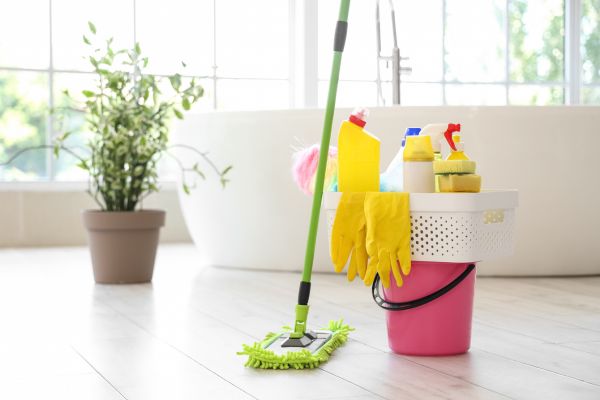
There is something about the arrival of spring that changes the atmosphere inside a home. Windows open a little wider, sunlight reaches dusty corners that went unnoticed all winter, and suddenly every cluttered shelf seems impossible to ignore. The season has always carried a quiet sense of reset. Not dramatic transformation exactly, but a feeling that things should breathe again.
That is why spring cleaning continues to matter, even in an era of busy schedules, smart homes, and endless digital distractions. A proper spring cleaning checklist 2026 is not simply about scrubbing floors or reorganizing closets. It is about restoring rhythm to a living space that has slowly collected months of dust, clutter, forgotten items, and mental fatigue.
People often imagine spring cleaning as a single exhausting weekend, but the process works better when approached thoughtfully. The most effective cleaning routines are not rushed. They unfold room by room, habit by habit, creating a home that feels lighter rather than temporarily spotless.
Why Spring Cleaning Feels Different From Regular Cleaning
Routine cleaning usually focuses on maintenance. Dishes are washed, laundry gets folded, counters are wiped down, and floors are vacuumed often enough to keep daily life functioning.
Spring cleaning reaches deeper.
It addresses areas that quietly disappear during ordinary routines. Storage spaces become overcrowded. Seasonal dust gathers behind furniture. Kitchen cabinets fill with expired products. Closets hold clothing no longer worn. Over time, homes begin carrying invisible weight.
Spring cleaning interrupts that accumulation.
Part of its emotional appeal comes from timing. After long winter months spent indoors, many people naturally crave openness and renewal. Cleaning becomes tied to mood as much as hygiene. Bright spaces, organized rooms, and fresh air affect how people think and feel inside their homes.
In some ways, the process is psychological before it is physical.
Starting With Decluttering Before Deep Cleaning
One of the biggest mistakes people make is cleaning around clutter instead of removing it first.
A crowded room is difficult to clean properly because unnecessary objects continue interrupting the process. Piles of paperwork, unused décor, tangled cables, old boxes, and overfilled shelves create visual noise that cleaning alone cannot solve.
That is why a strong spring cleaning checklist 2026 should begin with decluttering.
The goal is not minimalism or empty rooms. It is identifying what still serves a purpose and what simply occupies space out of habit. People are often surprised by how many items they keep without intention. Forgotten kitchen gadgets, unworn clothing, expired cosmetics, duplicate tools, and random storage bins slowly accumulate without attracting much attention.
Once clutter decreases, cleaning becomes more effective and significantly less stressful.
Rooms start feeling calmer almost immediately.
Refreshing Living Spaces After Winter
Living rooms tend to collect the effects of winter quietly. Blankets pile onto couches, indoor air becomes stale, and surfaces gather fine dust from closed windows and heating systems.
Spring cleaning in shared living spaces often begins with fabric care. Curtains absorb dust and odors over time, while couches and rugs trap debris that regular vacuuming misses. Opening windows during cleaning changes the atmosphere instantly, even before the room is fully finished.
People sometimes overlook walls, ceiling corners, and lighting fixtures as well. Yet these surfaces collect dust gradually throughout colder months when homes remain sealed against outdoor weather.
Natural light also changes during spring. Rooms suddenly reveal fingerprints on glass, smudges on mirrors, and dust along baseboards that winter lighting softened or concealed.
It is not about achieving perfection. It is about allowing spaces to feel open and breathable again.
Deep Cleaning the Kitchen Properly
Kitchens usually require the most attention during spring cleaning because they experience constant daily use.
Cabinets become crowded with forgotten ingredients, expired spices, mismatched containers, and items purchased with good intentions months earlier. Refrigerators often hide neglected sauces and produce tucked behind newer groceries.
A thoughtful spring cleaning checklist 2026 includes emptying and wiping storage areas fully rather than cleaning only visible surfaces. Pantry shelves, refrigerator drawers, and utensil organizers benefit from complete resets occasionally.
Appliances deserve attention too. Ovens collect grease slowly enough that many households stop noticing buildup entirely. Refrigerators gather dust beneath and behind them, affecting airflow and efficiency. Dishwashers and washing machines also benefit from maintenance cleaning cycles that remove hidden residue.
The kitchen feels noticeably different once these deeper tasks are complete. Cooking becomes easier in organized spaces where everything feels intentional again.
Closets and Seasonal Transitions
Closets become emotional spaces during spring cleaning more often than people expect.
Clothing carries memory, identity, aspiration, and habit all at once. That makes decluttering wardrobes surprisingly difficult, even when closets are overcrowded. Many people keep items because they might wear them someday, because they once loved them, or simply because letting go feels strangely uncomfortable.
Still, seasonal transitions create natural opportunities for reassessment.
Heavy winter clothing moves aside while lighter fabrics return to daily use. During that shift, it becomes easier to notice which pieces genuinely fit current lifestyles and which remain untouched year after year.
Organizing closets is not only about appearance. Functional storage reduces daily stress. Clear visibility makes getting dressed easier, laundry simpler to manage, and mornings less chaotic overall.
There is a quiet relief that comes from opening a closet that no longer feels overstuffed.
Bathrooms and the Hidden Build-Up of Daily Life
Bathrooms accumulate clutter differently than other rooms because so much of it hides behind cabinet doors and drawers.
Half-used skincare products, expired medications, empty containers, travel-sized toiletries, and forgotten cosmetics often remain untouched for years. Spring cleaning provides an opportunity to reset these spaces more intentionally.
Deep bathroom cleaning also improves hygiene in ways regular upkeep sometimes misses. Grout lines, ventilation fans, shower corners, and under-sink storage areas collect moisture and residue gradually over time.
Mirrors, fixtures, and lighting tend to brighten entire bathrooms once cleaned thoroughly. The change may seem subtle initially, but cleaner bathrooms often feel significantly more calming afterward.
Many people underestimate how much small, cluttered spaces influence overall stress levels inside a home.
Windows, Air Quality, and Seasonal Energy
One defining part of spring cleaning involves reconnecting homes with outdoor air and natural light.
Windows become especially important here. Dust, fingerprints, pollen residue, and winter grime slowly dull glass surfaces until rooms feel darker without anyone fully noticing why.
Cleaning windows transforms indoor spaces almost immediately. Sunlight appears sharper. Air circulation improves once windows reopen regularly. Even the smell of a home changes when stale winter air finally clears out.
Air vents, ceiling fans, and filters matter too. Homes collect indoor pollutants more heavily during colder months when ventilation decreases. Replacing filters and cleaning airflow systems supports healthier indoor environments, particularly for households sensitive to dust or allergies.
Spring cleaning is not only visual. It affects how a home physically feels to live inside.
Digital Clutter Deserves Attention Too
Modern spring cleaning increasingly includes digital organization alongside physical cleaning.
Phones fill with unused apps, duplicate photos, unread notifications, and forgotten downloads. Laptops become crowded with random files and disorganized folders. Email inboxes overflow with promotions, subscriptions, and old conversations.
Digital clutter creates a quieter form of mental fatigue. It constantly competes for attention in the background.
A realistic spring cleaning checklist 2026 includes clearing unnecessary files, organizing important documents, updating passwords, and reducing digital distractions where possible. The process often feels surprisingly refreshing because digital environments influence daily stress more than many people realize.
An organized digital space can create the same sense of relief as a clean physical room.
Why Spring Cleaning Feels Emotionally Satisfying
Part of spring cleaning’s lasting appeal comes from its emotional effect.
Cleaning creates visible progress in a world where many responsibilities feel endless or abstract. A freshly organized shelf, cleared countertop, or cleaned room provides immediate evidence that something improved. That feeling matters psychologically.
There is also comfort in reclaiming space from accumulated chaos. Homes absorb the pace of everyday life gradually. Stress, exhaustion, busy schedules, and unfinished tasks often leave physical traces throughout living spaces.
Spring cleaning interrupts that momentum. It creates pause and reflection.
People frequently report feeling calmer, more motivated, or mentally lighter after completing deep cleaning projects. The change is rarely only about cleanliness itself. It is about restoring a sense of control and clarity within the environment where daily life unfolds.
Building Sustainable Cleaning Habits After Spring
One reason spring cleaning becomes overwhelming is because people postpone too many tasks for too long. Deep cleaning works best when supported by smaller maintenance habits throughout the year.
That does not mean maintaining spotless rooms constantly. Real homes remain active, imperfect places filled with movement and routine messes. Still, small systems help prevent major buildup from returning immediately after spring cleaning ends.
Simple habits like seasonal decluttering, regular pantry checks, manageable laundry routines, and occasional storage resets reduce long-term stress dramatically.
The goal is not permanent perfection. It is making homes easier to care for consistently.
Conclusion
A thoughtful spring cleaning checklist 2026 is about more than polished surfaces or organized closets. It reflects a deeper desire to refresh living spaces after months of gradual accumulation, both physical and emotional.
Spring cleaning allows homes to breathe again. It clears forgotten clutter, improves comfort, refreshes routines, and creates spaces that feel calmer and more functional for everyday life. While the work itself can feel tiring in the moment, the result often brings a quiet sense of relief that lingers long afterward.
Perhaps that is why the tradition continues year after year. People are not simply cleaning their homes. They are resetting the atmosphere around them, making room for lighter routines, clearer spaces, and a different kind of energy as a new season begins.
In the end, the most meaningful part of spring cleaning is not achieving perfection. It is creating a home that feels cared for, lived in, and ready for what comes next.