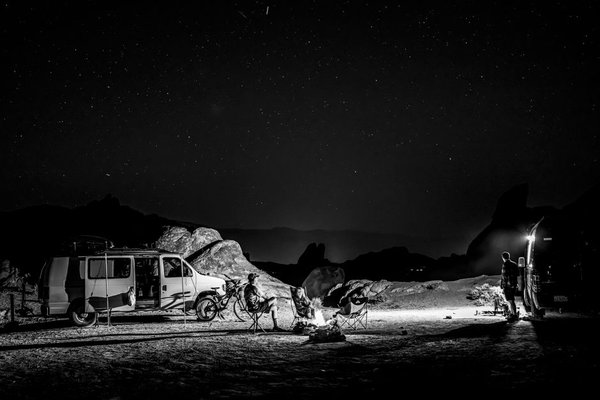
Van life looks simple from the outside: a bed, a road map, and the freedom to wake up somewhere new. Long-term nomadic travel is more demanding. Your vehicle must work as a bedroom, kitchen, office, storage unit, and reliable transport. A useful van life essentials guide therefore starts with systems rather than shopping. The goal is to build a setup that keeps you safe, rested, mobile, and comfortable.
Design Your Van Life Around Daily Routines
Before buying van life gear, write down what an ordinary day will involve. Will you work online for six hours, cook twice, travel with a dog, shower at gyms, or spend several days away from towns? These details determine your power, water, storage, ventilation, and internet needs. A weekend layout can tolerate inconvenience. A long-term van life setup cannot.
Test your assumptions with a short trip before expensive changes. Sleep in the vehicle, prepare meals, work from your planned seat, and notice what becomes frustrating. You may find that a fixed bed matters more than floor space, or that easy water access beats decorative cabinetry.
Choose the Vehicle With Weight and Reliability in Mind
When converting a van for travel, usable payload matters as much as interior height. Every cabinet, battery, water tank, passenger, tool, and bag adds weight. Check the manufacturer’s load information, tyre placard, gross vehicle weight rating, and axle limits. After the build is loaded for a real trip, use a public weighbridge where available. Overloading can affect braking, handling, tyres, suspension, and insurance.
Keep heavy items low and secure them for sudden braking. Leave payload margin for food, fuel, clothing, and later additions. A less fashionable van with common parts and a solid maintenance history can be a better home than a rare model that is difficult to repair.
Build a Sleep System You Can Use Every Night
Good sleep is essential. Choose a supportive mattress, ventilate beneath it, and make the bed usable without moving half the van. Slats or ventilation mesh can reduce moisture under the mattress.
Blackout window covers improve privacy and temperature control, but they should be quick to fit from inside. Keep bedding suitable for the coldest conditions you expect. A reachable light and clear path to the door make nights easier.
Calculate Power Before Buying Batteries
A power system should be based on consumption, not guesswork. List each device, its wattage, and the hours it runs. Multiply watts by hours to estimate daily watt-hours. A 60-watt laptop used for four hours, for example, needs about 240 watt-hours before charging losses. Repeat the calculation for lights, fans, phones, a fridge, and pumps.
Solar output changes with season, shade, weather, and roof space. Many nomads combine solar with alternator charging and shore power. Use correctly sized cables, fuses, and protective equipment, and have unfamiliar electrical work checked by a qualified professional. Keep house power separate from the starter battery.
Plan Water, Food, and Cooking as One System
Carry drinking water in food-safe containers and monitor your use before choosing a large fixed tank. Removable containers can be easier to refill, while a separate backup bottle protects you if a pump fails or water becomes contaminated.
Choose meals that fit your refrigeration, fuel, washing water, and storage. One-pot dishes reduce cleanup, while stackable cookware saves space. Never use a portable gas camp stove, charcoal appliance, or similar combustion device inside an enclosed van. Carbon monoxide is colourless and odourless. Follow equipment instructions, maintain ventilation, and install working carbon-monoxide and smoke alarms.
Control Heat, Cold, Moisture, and Airflow
Insulation slows heat movement; it does not create heating or cooling. Ventilation matters because breathing, cooking, wet clothing, and temperature differences create moisture. A roof vent or well-positioned fans can remove damp air, while screened openings bring fresh air in. Wipe condensation early and maintain airflow behind mattresses and storage.
For hot climates, shade, reflective window covers, airflow, and parking orientation often help more than extra gadgets. In cold conditions, use layered bedding and equipment designed for vehicle use. Never rely on an unvented flame for overnight warmth. Have the vehicle exhaust system inspected regularly because leaks can allow dangerous fumes inside.
Make Connectivity and Overnight Parking Reliable
Van life tips for beginners often overlook logistics. Download offline maps, keep backup charging, and test mobile coverage before important calls. Remote workers may need two networks or a plan for coworking spaces when reception fails.
Overnight parking rules vary by country, city, land manager, and property owner. A quiet pullout is not automatically a legal campsite. Check current signs and local rules, obtain permits when required, and respect time limits. Keep noise low, store food responsibly, and leave no rubbish or wastewater.
Carry Safety and Repair Essentials
Your core kit should cover first aid, fire safety, tyre problems, repairs, and communication. Include a suitable fire extinguisher, first-aid supplies, torch, reflective vest, warning triangle where required, tyre-pressure gauge, jump starter or cables, basic tools, spare fuses, and emergency water. Confirm that the jack, spare tyre, or repair system works before departure.
Create a maintenance routine for tyres, fluids, brakes, batteries, seals, and alarms. Save vehicle documents, insurance details, and emergency contacts offline. Check weather, road conditions, fuel range, and the next legal stop before leaving reliable service.
A Practical Starter Setup
Imagine a new nomad who works from a laptop and travels mainly between towns. A sensible first version could include a secure bed platform, ventilated mattress, removable water containers, a modest electrical system based on a measured power audit, storage boxes, blackout covers, and safe outdoor cooking equipment. After a month, experience may justify more solar capacity, a roof fan, or built-in cabinets. This staged approach prevents costly equipment from being designed around an imagined lifestyle.
Frequently Asked Questions
What are the most important van life essentials for beginners?
Start with a reliable vehicle, safe sleeping setup, water, ventilation, basic power, legal overnight-parking research, first-aid supplies, fire and carbon-monoxide protection, and a realistic maintenance budget. Comfort upgrades should come later.
How much water should a van carry?
Track drinking, cooking, and washing for several days, then match capacity to climate, personal needs, payload, and refill frequency. Carry a separate emergency reserve rather than relying entirely on one tank or pump.
Do beginners need solar panels immediately?
Not always. Calculate daily energy use and consider how often you drive or connect to shore power. Solar is useful for many travellers, but it will not solve excessive consumption or long periods of shade.
Should a first van conversion be permanent?
A removable or modular setup is often smarter. It lets you change the bed, storage, kitchen, and workspace after learning how you actually live. Permanent cabinetry makes more sense once the layout has proved itself.
Build for the Life You Will Actually Live
The strongest van life setup is not the one with the longest equipment list. It is the one that respects the vehicle’s limits, supports your daily routines, and remains manageable when weather or plans change. Begin with safety and essential systems, test them in real conditions, and improve the van gradually. That creates a mobile home practical enough for long journeys rather than impressive only in photographs.