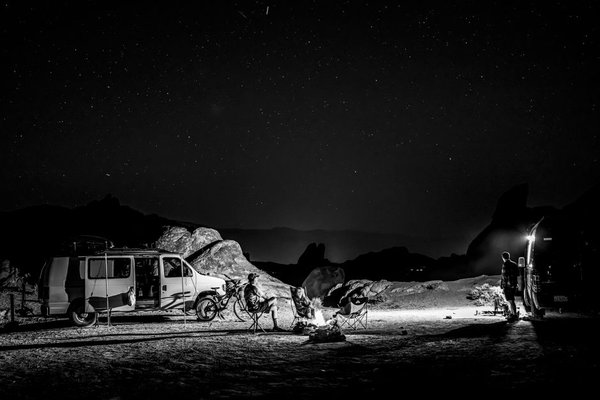
Van life looks simple from the outside: a bed, a few storage boxes, a scenic pull-off, and the freedom to keep moving. Long-term nomadic travel is more demanding. Your van becomes a bedroom, kitchen, office, charging station, gear locker, and transportation. A useful van life essentials guide starts with systems, not shopping. The goal is a setup that keeps ordinary days easy and safe when plans change.
Build Your Van Life Setup Around Daily Needs
Before buying van life gear, picture a normal Tuesday rather than a perfect weekend. Where will you sleep, make coffee, use the bathroom, charge devices, store dirty clothes, and get online? Those recurring needs determine what belongs in the van.
A practical van life setup starts with a reliable sleeping platform, secure storage, ventilation, and enough power and water for your routine. Keep frequently used items accessible and store heavy gear low and secured so it cannot move dangerously during sudden braking.
If you are converting a van for travel, spend one night in the unfinished layout before finalizing cabinets. Cook a simple meal, change clothes, and prepare for bed. That trial quickly reveals whether a walkway is too narrow, a drawer blocks the door, or an important item is awkward to reach.
Prioritize Sleep, Ventilation, and Temperature
Good sleep is one of the most underrated van life essentials. A comfortable mattress, blackout window covers, privacy, and airflow matter more after 30 nights than decorative finishes.
Insulation can moderate temperature swings, but it does not replace ventilation or safe heating practices. Never use a portable gas camp stove, charcoal grill, or similar fuel-burning device inside the van for warmth. A carbon monoxide alarm is a sensible safety layer in a vehicle used for sleeping.
Plan Power for the Life You Actually Live
A traveler who charges a phone and camera has very different needs from someone running a laptop, fridge, router, and camera equipment every day. List your devices and how often you can recharge before choosing a battery system.
Common off-grid setups use a house battery charged by solar, the vehicle alternator, shore power, or a combination. Permanent wiring, fusing, cable sizing, and high-current connections should be designed or checked by someone familiar with vehicle electrical systems.
Useful related topics for deeper planning include van solar power basics and campervan electrical systems.
Carry Water Without Overcomplicating It
You need enough drinking and washing water to cover gaps between refill points, but carrying too much adds weight and takes space. Many beginners do well with durable removable containers because they are easy to refill, clean, inspect, and replace.
Keep clean water separate from wastewater, restrain every container while driving, and make the system simple enough to maintain regularly. If you have a sink, plan in advance how and where you will dispose of grey water responsibly.
Choose Cooking Gear for Real Meals
A compact kitchen does not need dozens of gadgets. One reliable cooking method, a pan, pot, cutting board, knife, mug, reusable dishes, and simple food storage can cover most meals.
Fuel-burning camping stoves should be used outdoors according to the manufacturer’s instructions, not inside a closed van. Keep a shelf-stable “bad weather meal” that needs no cooking for days when rain, fire restrictions, or an inconvenient overnight stop disrupts your routine.
Plan Hygiene and Toilets Before Departure
Long-term van life is easier when hygiene is treated as a routine. Decide how you will handle toilets, showers, laundry, wet towels, trash, and handwashing. Options include portable toilets, campground facilities, gyms, public showers, and laundromats.
Keep a small hygiene kit near the door and use a separate bag for shower supplies and laundry. These small systems are among the most practical van life tips for beginners because they reduce daily friction over months on the road.
Prepare for Connectivity, Navigation, and Breakdowns
If you work remotely, avoid relying on one connection method. Coverage varies by carrier and terrain. Download offline maps before entering remote areas and keep insurance details and emergency contacts available without internet access.
Carry a basic vehicle emergency kit, first-aid supplies, a flashlight or headlamp, weather-appropriate clothing, and tools suited to your vehicle. Roadside assistance can help, but routine maintenance still matters. Check tires, brakes, fluids, batteries, and warning lights before a long route.
Learn the Difference Between Parking and Camping
One of the biggest adjustments in long-term van life is finding legal places to sleep. Rules differ between cities, private businesses, campgrounds, national parks, forests, and other public lands. Permission to park does not automatically mean overnight camping is allowed.
On U.S. Bureau of Land Management land, dispersed camping is commonly limited to about 14 days within a 28-day period, although local rules can differ. Other areas may have different restrictions. Check current rules for the exact location rather than relying on an old campsite recommendation.
A useful related topic is finding legal overnight parking for campervans. Keeping a rotating list of legitimate options can prevent stressful late-night searches.
Pack Less, Then Refine the System
New van lifers often overpack because every possible problem feels urgent. Start with items that support sleep, water, food, power, hygiene, safety, work, and weather. After two weeks, notice what you use daily, what is constantly in the way, and what never leaves its storage bin.
Van life gear should earn its space. The best setup is the one that lets you arrive, eat, work, sleep, and leave without turning the van upside down.
Frequently Asked Questions
What are the most important van life essentials for beginners?
Start with a safe sleeping setup, ventilation, drinking water, basic cooking equipment, reliable device charging, hygiene supplies, emergency gear, and a plan for legal overnight stops. Add specialized equipment after you understand your routine.
How much water should I carry in a van?
There is no universal amount because climate, trip length, cooking habits, and refill access differ. Estimate your daily drinking and washing needs, add a reasonable buffer, and choose containers you can safely lift, secure, refill, and clean.
Do I need solar panels for van life?
Not necessarily. Solar is useful for many off-grid travelers, but alternator charging, shore power, or a portable power station may cover your needs. Choose a charging system based on actual energy use and how often you drive or plug in.
Can I sleep anywhere in my van?
No. Overnight parking and camping rules vary by location and land manager. Check signs, local ordinances, campground rules, and public-land regulations before settling in for the night.
Create a Van That Supports the Journey
The strongest van life setup reduces friction. Secure the basics first, build around your daily habits, and leave room to adapt. A dependable bed, manageable water and power systems, sensible safety equipment, and realistic parking plans will do more for long-term freedom than a van packed with trendy accessories. Start simple and let your setup evolve with the way you actually travel.